
PTSD & Trauma Therapy in Round Rock, Texas
Helping people heal from the experiences that changed everything.
Some things leave a mark. That doesn't mean you're stuck with it forever.
all services are currently virtual
all services are currently virtual
Trauma doesn’t stay in the past. It lives in the present.
It might be a single event that shook your sense of safety. It might be a pattern of experiences accumulated over years. It might be something that happened in childhood that you've never fully been able to put into words. Whatever it is, the effects are real: the hypervigilance, the intrusive memories, the body that braces for impact, the relationships that feel complicated in ways that are hard to explain.
You've probably spent years trying to think your way out of it. Reading about it, understanding it, telling yourself it's in the past. But trauma isn't a thinking problem. It lives in your nervous system, in the way you respond to people and situations, in the quiet background hum that something isn't quite safe.
And the approaches that help aren't just talking about it. They work at a deeper level. Those approaches exist. They work. And they're what we do.
Trauma is Survivable. Healing from it is possible, too.
Trauma work at Heard Counseling is at the heart of what we do. Our clinicians are trained in specialized approaches designed specifically for healing trauma at the level where it lives: in the body, the nervous system, and the beliefs we've built around what happened. We work carefully, collaboratively, and always at your pace. Safety is not just a clinical value here. It's the foundation everything else is built on.
1.Reach out
Tell us what you're carrying. You don't need a diagnosis or a complete narrative to get started.
2.Establish safety first
Early sessions focus on building trust, stabilization skills, and safety before any deeper processing begins.
3.Tailored trauma treatment
We develop a plan specific to your history, your nervous system, and your goals, using approaches matched to your presentation.
4.Process at your pace
Processing work happens gradually, with ongoing attention to your sense of safety and capacity throughout every session.
Getting started doesn't have to be complicated.
PTSD & trauma therapy can help you:
✓ Process traumatic memories so they lose their grip
✓ Reduce hypervigilance and the sense of constant threat
✓ Understand how your past is shaping your present
✓ Build a greater sense of safety in your body and in relationships
✓ Reclaim parts of your life that trauma has been keeping you from
✓ Heal without having to relive everything in detail
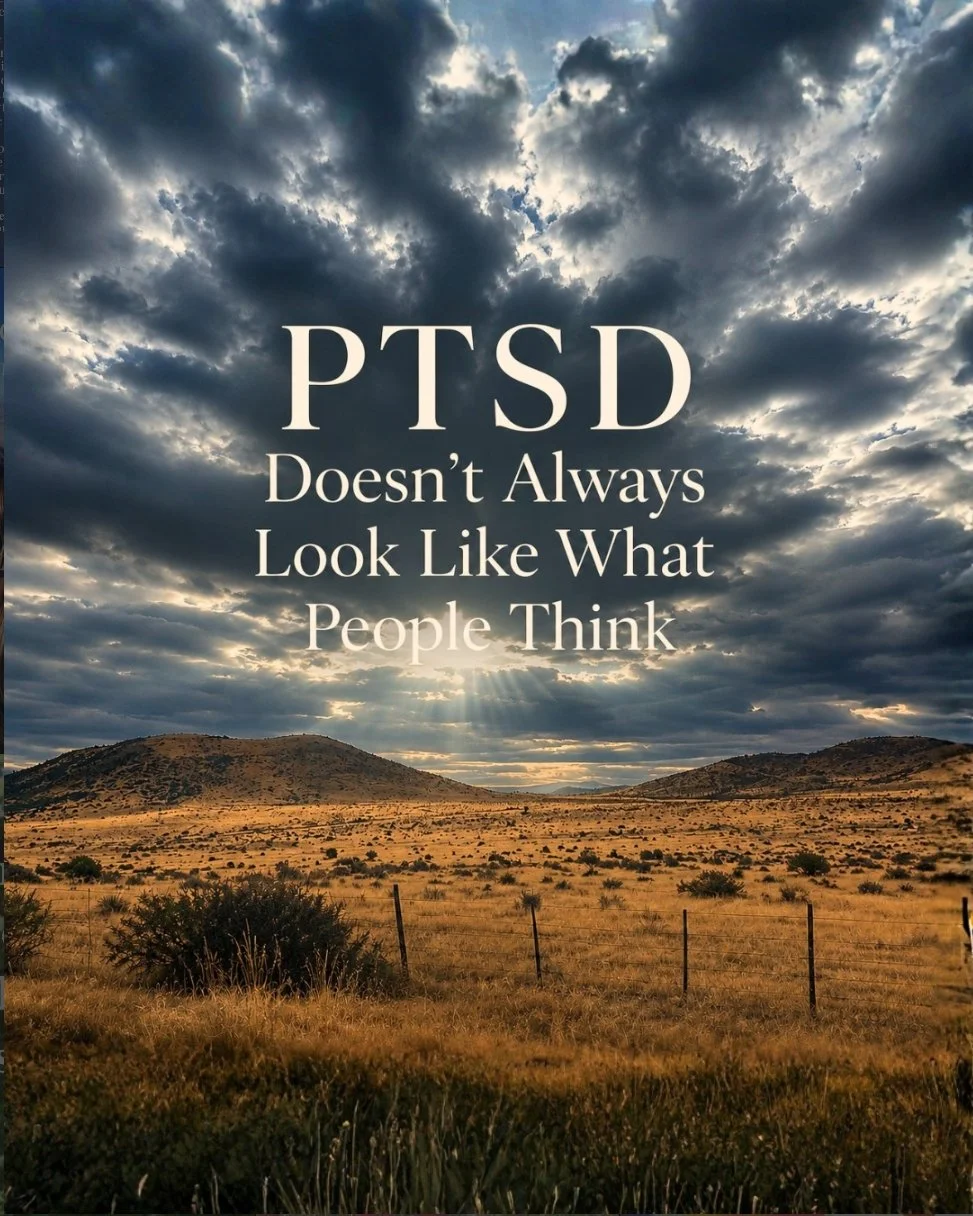
You survived what happened. Now you deserve to actually heal from it. We're trained, we're ready, and we're honored to do this work with you.
Unaddressed trauma tends to expand its territory over time. It shapes every response to stress, limits what feels safe to engage with, and affects physical health over time. The nervous system stays in a state it was never meant to live in permanently. The work to address it doesn't get easier with waiting.
Ready to meet our team? Browse our therapists to find a fit.
-
![]()
Robyn DePena, LPC
-
![]()
Leslie Dahl, LPC
-
![]()
Alex Calvillo, LPC Associate
Supervised by Kaitlyn Lewis, LPC-S
Meet Alex -
![]()
Kristen Patterson, LPC Associate
Supervised by Kaitlyn Lewis, LPC-S
-
![]()
Kaitlyn Lewis, LMHC, LPC-S
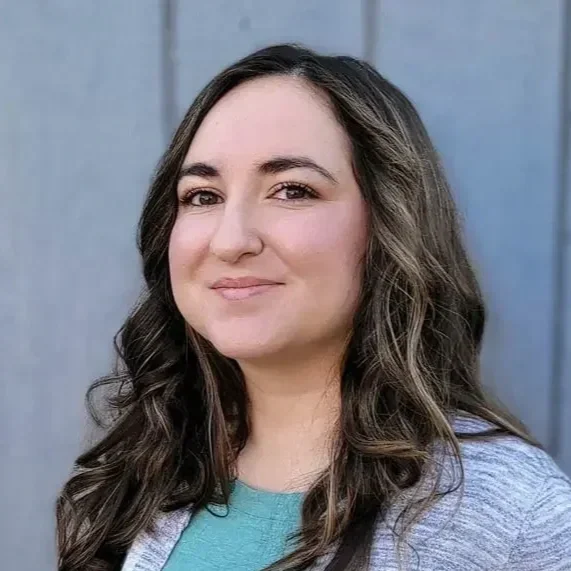
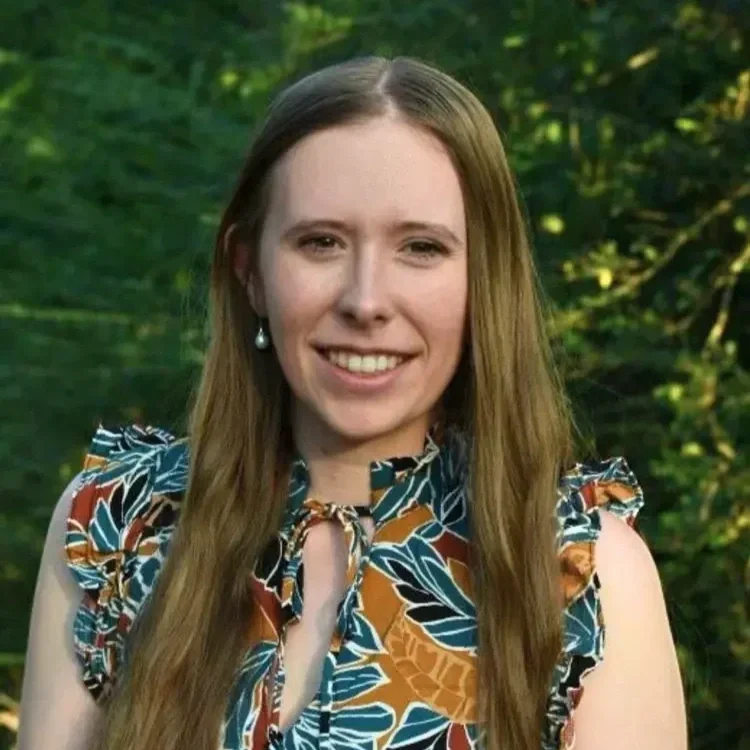



Frequently Asked Questions about PTSD & Trauma Therapy
-
A: PTSD often refers to the aftermath of a specific traumatic event. Complex trauma (C-PTSD) typically results from repeated or prolonged experiences, often in childhood or close relationships. Both are real, both are treatable, and our clinicians are trained to work with both.
-
A: No. Processing trauma doesn't require narrating every detail. Many effective trauma approaches work at the level of the body and nervous system rather than the verbal story. We always follow your lead.
-
A: It depends on the complexity of what you've experienced and what you're hoping to achieve. Some people notice significant shifts in a few months. Others benefit from longer-term work. We discuss realistic expectations together and check in throughout.
We work with:
✓ PTSD (single-incident & complex)
✓ Childhood & developmental trauma
✓ Relational trauma & emotional abuse
✓ Sexual abuse & assault
✓ Accident & medical trauma
✓ First responder & military trauma
✓ Grief-related trauma
✓ Adoption trauma & identity wounds
✓ NPE (Not Parent Expected) discoveries
✓ Secondary traumatic stress
Specialized trauma approaches, not just talking about it.
Our trauma toolkit is built around approaches that work at the level where trauma is actually stored. EMDR reprocesses traumatic memories so they lose their charge without requiring extensive re-narration. Somatic-informed techniques release what's held in the body and nervous system. Trauma-Focused CBT addresses the shame-based beliefs that often form in the aftermath of trauma.
We also draw on polyvagal-informed work to help you understand and regulate your nervous system's threat responses, and attachment-based approaches for trauma rooted in early relational experiences. Every plan is built around your specific history, your nervous system, and your goals.